
English
Views: 0 Author: Site Editor Publish Time: 2026-04-21 Origin: Site


In commercial food processing and high-volume foodservice, upgrading to a commercial vacuum system is a strategic compliance and margin-protection decision. It goes far beyond a simple freshness upgrade. You must view this equipment as a critical operational safeguard.
Improperly evaluated equipment poses severe risks to your facility. You might face failed HACCP audits, hidden pathogen proliferation like C. botulinum, and inflated consumable costs. These invisible threats quickly erode profit margins and compromise consumer safety. Operations rely on precision to survive in modern markets.
We will provide operators, facility managers, and QA directors with a realistic evaluation framework. You will understand the true compliance benefits, operational limitations, and total cost of ownership when integrating a packing machine into daily workflows. By the end of this guide, you will know exactly how to navigate regulatory hurdles confidently and maximize your long-term equipment investments.
Shelf-Life Economics: Commercial vacuum sealing can extend product viability by 3–5x and reduce moisture loss to under 3% over 21 days, unlocking bulk-prep ROI.
Regulatory Reality: A vacuum environment is not sterile. Achieving a shelf-life beyond 10 days for chilled foods requires strict secondary safety hurdles to comply with global safety standards (e.g., FDA/FSA).
Equipment Distinction: The financial gap between consumer-grade external sealers and commercial chamber machines is dictated by consumable costs and seal consistency, not just initial CAPEX.
Process Synergies: Advanced sealing acts as the prerequisite physical barrier for automated tracking (ERP/RFID) and precision cooking (Sous-vide).
Integrating a vacuum system fundamentally changes how your kitchen handles inventory. It creates a robust line of defense against spoilage and contamination.
Hermetic sealing establishes an impenetrable defense against cross-contamination. Shared commercial kitchens handle diverse ingredients simultaneously. Allergens and raw proteins frequently share proximity. Vacuum pouches act as a mandatory physical barrier. This segregation is a critical factor for passing strict HACCP compliance audits. It prevents raw meat juices from leaking onto ready-to-eat produce in walk-in coolers.
Air is the primary enemy of fresh food. Removing it alters the biochemical degradation timeline.
Halting Lipid Oxidation: High-end machines extract up to 99.5% of ambient oxygen. This effectively starves aerobic bacteria. It reduces rancidity rates by up to 89%. Fats in meats and nuts remain stable much longer.
Eliminating Freezer Burn: Vacuum packaging physically prevents the destructive dehydration and oxidation cycle. When air touches frozen food, it causes cellular damage. Large ice crystals form in meat fibers, ruining texture. A tight seal stops this moisture evaporation entirely.
Modern culinary techniques demand precise environmental controls. Vacuum technology acts as the foundation for these advanced methods.
Sous-Vide Preparation: Precision cooking requires thermal immersion between 47°C and 88°C. A vacuum pouch provides the mandatory waterproof, temperature-resistant barrier. Without it, safe water bath cooking is impossible.
Dehydration Stabilization: Freeze-dried or dehydrated inventories aggressively seek ambient moisture. Sealing them immediately prevents them from reabsorbing environmental humidity. This preserves their crisp texture and extends shelf stability.
You must respect the scientific realities of oxygen deprivation. A vacuum pouch solves many problems, but it introduces specific microbial hazards.
This is a critical warning for decision-makers. A vacuum environment is not sterile. Vacuum packaging effectively slows aerobic spoilage. However, it creates an ideal environment for anaerobic and psychrotrophic pathogens. Operators often assume sealed food is indefinitely safe. This false confidence leads to dangerous handling practices. You still need strict temperature controls.
Global regulators watch vacuum-sealed foods closely. Under strict food safety guidelines, like those from the UK FSA, timelines are rigid. Refrigerated vacuum-packed foods exceeding a 10-day shelf life face intense scrutiny. They must feature secondary intervention barriers. You must use pH adjustment, strict salinity limits, or rigorous thermal processing. These hurdles prevent non-proteolytic C. botulinum toxin formation. Ignoring this rule triggers immediate audit failures.
Some pathogens thrive in the cold. We must acknowledge that pathogens like Listeria monocytogenes can still multiply at temperatures below 0°C. They survive standard refrigeration easily. Machine integration must always pair with an unbroken cold chain. A perfect seal cannot save food stored at unsafe temperatures.
Defrosting requires specific protocols. Your standard operating procedures must include breaking the vacuum seal before thawing. You need to reintroduce oxygen to the environment. This simple step inhibits anaerobic bacterial growth during the thawing cycle. Staff must cut the bag open before placing frozen proteins in the refrigerator to thaw safely.
Choosing the right hardware dictates your operational success. You must match the technology to your daily volume and specific culinary needs.
The market divides into two primary hardware categories. Understanding their mechanical differences prevents costly purchasing errors.
External (Edge) Sealers: These are limited to low-volume or home use. They suck air directly from the bag opening. They are highly prone to overheating during continuous runs. Furthermore, they require expensive, textured proprietary bags to channel air out.
Chamber Vacuum Sealers: This is the commercial standard. The entire bag goes inside the machine. It equalizes pressure inside and outside the bag simultaneously. This prevents liquids from being sucked into the pump. They use highly cost-effective, smooth-flat pouches.
Feature | External Sealers | Chamber Vacuum Sealers |
|---|---|---|
Volume Capacity | Low (Home/Light Prep) | High (Commercial/Continuous) |
Liquid Handling | Poor (Pulls liquid into pump) | Excellent (Pressure equalization) |
Consumable Cost | High (Requires textured bags) | Low (Uses standard flat pouches) |
Enterprise buyers need more than a basic seal. Modern systems offer powerful features that streamline complex prep work.
CombiVAC / Multi-cycle: These machines feature alternating vacuum cycles. They rapidly drop and raise chamber pressure. This action is designed for rapid meat tenderizing. It also forces liquid marinades deep into protein tissues in minutes.
Gas Flush (Modified Atmosphere): This system injects an inert gas blend before sealing. It creates a protective cushion inside the pouch. This feature is essential for preventing the crushing of fragile items like pastries or chips.
Industrial 4.0 Integrations: Enterprise-level buyers demand data visibility. Modern automated systems feature IoT sensors for consistent vacuum pressure. They include AI camera particle detection. Built-in thermal label printers provide immediate ERP and traceability logging for strict compliance.
Capital expenditure on equipment requires a clear financial justification. Vacuum technology offers several distinct avenues for rapid return on investment.
Seasonal price drops offer massive savings. A commercial sealer unlocks the ability to purchase pallets of seasonal produce. You can buy wholesale proteins when market prices dip. You process them in-house for portion-controlled, year-round use. This strategy insulates your menu from sudden supply chain inflations.
Walk-in cooler real estate is highly expensive. Bulky, rigid storage containers waste immense vertical space. Replacing them with stackable, flat vacuum pouches changes everything. Operators can routinely reclaim 30-50% of walk-in cooler storage space. This delays the need for costly facility expansions.
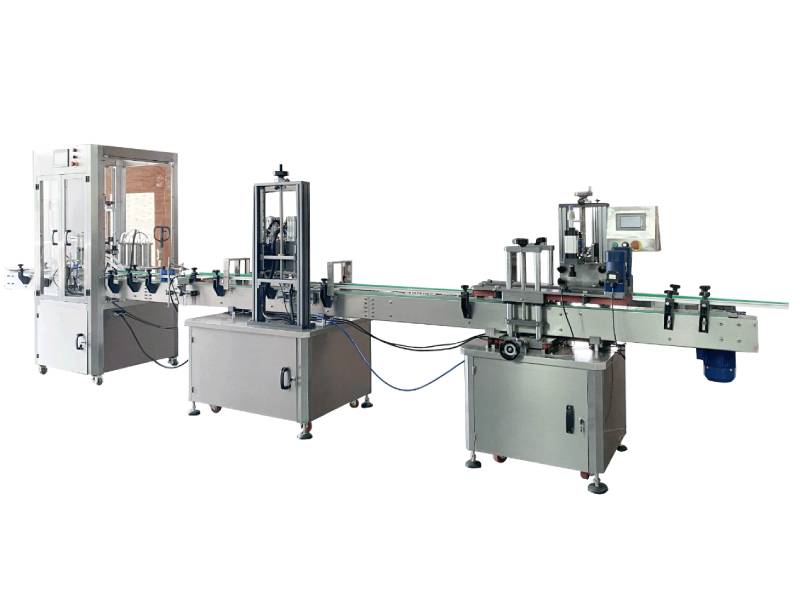
Standardization of equipment drives predictability across any manufacturing environment. Whether a facility is investing in a highly specialized perfume making machine to standardize liquid dispensing, or a heavy-duty food packing machine to standardize culinary output, the math remains similar. Analyzing the long-term cost of proprietary consumables versus open-market supplies is the primary driver of TCO. Open-market pouches keep operational costs low and predictable.
Food waste destroys profitability. The industry averages a 30-40% operational food waste factor. Vacuum sealing actively mitigates this loss. It safely captures meat trimmings and surplus prep. You can store these by-products securely for secondary uses like stocks and sauces.
Buying the best hardware is only the first step. Your staff must execute daily operations flawlessly to reap the benefits.
Preparation dictates seal quality. Foods must be meticulously patted dry before bagging. Residual moisture or grease in the sealing zone is disastrous. It compromises the thermal weld immediately. This creates micro-leaks that let air seep back in. Spoilage will quickly follow if staff ignore this rule.
Heat and vacuum physics do not mix well. Hot foods must be pre-chilled thoroughly. Vacuuming hot items lowers the boiling point of the liquids inside. This creates rapid evaporation and sudden steam within the chamber. The resulting internal condensation destroys the seal integrity completely.
Staff often try to maximize bag space. Operators must be trained never to overfill pouches. A minimum clearance is mandatory. Usually, 2-3 inches of flat, wrinkle-free plastic is required above the product. This ensures the heat bar creates a secure, uninterrupted heat-seal line.
Fluids require special handling protocols. High-liquid content items like stews or marinades challenge standard machines. They should be partially frozen before sealing. This solidifies the liquid, preventing it from boiling over during extraction. Alternatively, the facility must utilize an advanced incline-chamber machine to keep liquids resting at the bottom.
Process Step | Common Mistake | Correct Best Practice |
|---|---|---|
Loading | Overfilling to the top edge. | Leave 2-3 inches of clearance. |
Temperature | Sealing hot soups or sauces. | Pre-chill or partially freeze liquids. |
Cleanliness | Leaving grease on the seal line. | Fold bag edges outward while filling. |
A commercial vacuum packing machine is a high-leverage investment. It shifts a kitchen or processing facility from reactive food storage to proactive yield and compliance management.
To capitalize on this technology, you should take immediate action. We recommend the following steps:
Audit your current consumable costs to understand your baseline waste.
Measure your daily peak sealing volume to size the correct pump capacity.
Consult with vendors on machines that offer robust HACCP-compliant data logging.
Implement strict staff training on temperature controls and bag loading metrics.
A: This is a natural, safe chemical reaction. The muscle pigment (myoglobin) turns purple in the absence of oxygen. It does not indicate spoilage. The bright red color naturally returns once the package is opened and exposed to ambient air for a few minutes.
A: No. Vacuum sealing is not a thermal sterilization process. It removes air but does not kill existing bacteria or spores. Perishable foods must still be strictly refrigerated or frozen to remain safe. Canning requires high heat and pressure to achieve shelf-stability at room temperature.
A: Yes. Fresh mushrooms, garlic, and certain raw vegetables like cabbage or broccoli emit natural gases as they respire. This will cause the bag to expand and break the vacuum. Soft berries like raspberries can also break down chemically under vacuum pressure.