Unplanned downtime is the silent killer of production efficiency. Studies show that reactive, emergency repairs can cost up to 50% more than a structured preventive maintenance program. In any bottling or packaging operation, the filling machine is the heartbeat of the production line. When it stops, everything stops, leading to missed deadlines, wasted labor, and significant revenue loss. The goal is to evolve beyond merely fixing what breaks. This requires a strategic shift towards proactive asset management, treating your equipment not as a potential liability but as a critical component of your profitability. By implementing robust maintenance protocols, you can maximize uptime, ensure product quality, and significantly improve your return on investment. This guide outlines the top five maintenance strategies to keep your operations running smoothly and predictably.
Key Takeaways
Preventive > Corrective: Systematic maintenance extends equipment life by 10+ years and stabilizes TCO.
Clean-in-Place (CIP) is Critical: For an automatic liquid & cream cycle filling line, automated cleaning prevents cross-contamination and bacterial growth.
Calibration is Quality Control: Regular sensor and pump calibration ensures filling accuracy and reduces product giveaway.
Environmental Factors Matter: Dust, humidity, and chemical exposure are silent killers of PLC and electronic components.
Documentation is Compliance: Detailed maintenance logs are essential for FDA/cGMP audits and internal KPI tracking.
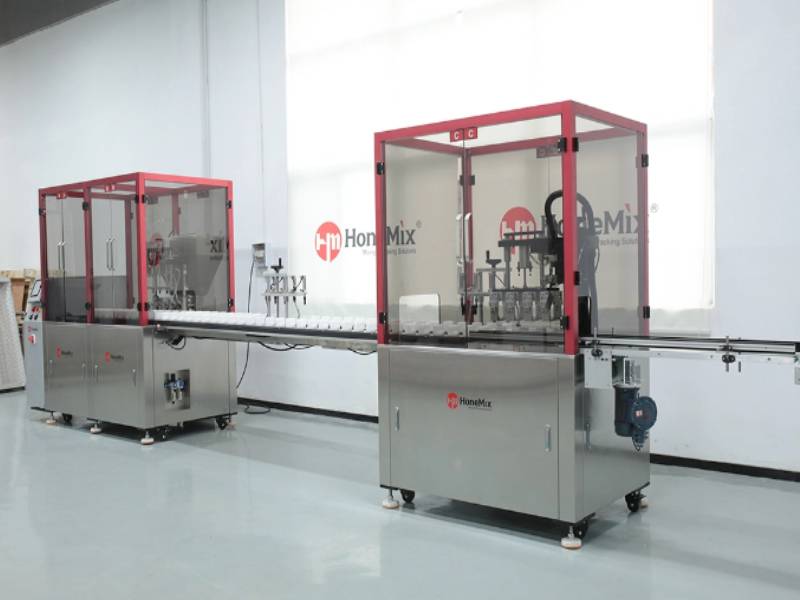
1. Implement a Tiered Preventive Maintenance Schedule
A one-size-fits-all approach to maintenance is inefficient. A tiered schedule organizes tasks by frequency, ensuring that critical checks happen daily while more intensive procedures are performed less often. This method balances thoroughness with operational efficiency, preventing both over-maintenance and neglect.
The Daily Visual & Functional Audit
These are quick, non-invasive checks that operators should perform at the start of every shift. They are your first line of defense against minor issues escalating into major failures.
Inspect high-wear components: Visually check all flexible hoses for cracks or brittleness, seals and gaskets for signs of leakage, nozzles for any blockage or damage, and conveyor belts for fraying or misalignment.
Check for pump system anomalies: Listen for unusual noises from the pump, such as a rattling sound which could indicate "cavitation" (the formation of vapor bubbles that can damage pump internals). Feel for excessive vibrations that could signal a bearing or alignment problem.
Verify safety features: Before starting production, always test the emergency stop (E-stop) buttons to ensure they immediately halt the machine. Confirm that all safety guards are securely in place and interlock switches are functional.
Weekly and Monthly Deep-Dives
These tasks require a bit more time and technical skill, often performed during planned short-term shutdowns. They focus on components that degrade more slowly but are crucial for long-term performance.
Test electrical and sensor systems: On an automatic liquid filling capping machine, open the control panel to check for loose electrical connections. Wipe down sensors and test their responsiveness to ensure they are triggering correctly.
Clean filters and strainers: Product and air filters can become clogged over time, restricting flow and putting strain on pumps and pneumatic systems. Remove, clean, and inspect them weekly.
Lubricate moving parts: Follow the original equipment manufacturer (OEM) specifications for lubrication points, types, and frequency. Proper lubrication is vital to reduce friction, prevent heat buildup, and avoid premature wear on gears, bearings, and chains.
Annual Technical Audits
This is a comprehensive, top-to-bottom inspection, sometimes outsourced to a specialist or the OEM. It aims to assess the machine's overall health and plan for future component replacements.
Conduct system performance tests: Perform comprehensive motor winding checks with a multimeter to detect insulation degradation. Use a pressure gauge to test the entire pneumatic system for leaks and ensure it maintains consistent pressure.
Review software and control systems: Check for any available PLC firmware updates from the manufacturer, as these often contain performance improvements and security patches. Analyze software logs to identify recurring micro-stops or error codes that might not be obvious during daily operation but indicate an underlying issue.
Preventive Maintenance Schedule Summary | Frequency | Key Tasks | Objective |
| Daily | Visual checks on hoses, seals, nozzles. Listen for abnormal sounds. Test E-stops. | Catch immediate failures and safety risks before they cause downtime. |
| Weekly/Monthly | Clean filters. Check electrical connections. Lubricate moving parts. | Prevent gradual performance degradation and wear-related failures. |
| Annual | Motor winding tests. Pneumatic system pressure tests. PLC firmware updates. | Assess long-term health, identify hidden issues, and plan for capital repairs. |
2. Optimize Cleaning Protocols for Product Consistency
Cleaning is not just about hygiene; it is a critical maintenance function that directly impacts product quality, filling accuracy, and machine longevity. A poorly cleaned machine can lead to cross-contamination, bacterial growth, and hardened product residue that can seize moving parts.
Automated vs. Manual Cleaning Logic
The choice between automated and manual cleaning depends on your product, volume, and machine design.
Clean-in-Place (CIP) Systems: For high-volume liquid filling operations, CIP systems are invaluable. They circulate cleaning solutions, rinses, and sanitizers through the entire fluid path without requiring major disassembly. This ensures consistent, repeatable cleaning and drastically reduces labor and changeover time.
Manual Teardown: Even with CIP, some machines have "dead zones"—areas like valve corners or piston faces where flow is low and product can accumulate. A periodic manual teardown and inspection of these areas are necessary to ensure they are completely free of residue.
Material-Specific Sanitization
Different products require different levels and methods of sanitization. A one-protocol-fits-all approach is risky, especially in regulated industries.
Sterilization Needs: For pharmaceutical or injectable products, simple cleaning is insufficient. The equipment must be sterilized to eliminate all microbial life. Common methods include high-temperature steam (autoclaving), UV light exposure, or chemical sterilants, depending on the machine's material compatibility.
Managing Viscosity: An automatic liquid & cream cycle filling line presents unique challenges. Thicker products like creams and lotions can leave behind a stubborn film. The cleaning protocol must use appropriate solvents or hot water rinses to fully dissolve this residue before it hardens, which could damage seals and pistons.
Waste Reduction via Line Optimization
Intelligent line design can minimize the amount of product lost during cleaning and changeovers. Every drop saved goes directly to your bottom line.
Common Mistake: Using long, flexible tubing creates unnecessary volume in the fluid path. This entraps more product that gets flushed out during cleaning.
Best Practice: Whenever possible, use rigid, sloped piping and keep the distance between the product tank and the filling nozzles as short as possible. This minimizes product hold-up and reduces waste.
3. Precision Calibration and Component Alignment
A filling machine's core function is to dispense a precise amount of product, repeatedly. Calibration and mechanical alignment are the foundation of this accuracy. Even slight deviations can lead to significant product giveaway or underfills over thousands of cycles.
Filling Accuracy Management
When fill volumes start to drift, it's rarely a single cause. It's often a combination of small factors that require systematic troubleshooting.
Root Causes of "Filling Drift": The most common culprits include tiny air bubbles trapped in the supply hoses, which compress and cause inconsistent volumes; worn piston seals that allow product to leak past; or fluctuating pressure in the product supply line.
The Role of Temperature: Remember that a liquid's viscosity changes with temperature. A machine calibrated in a cool morning environment may dispense differently in a warmer afternoon. For products with high viscosity sensitivity, seasonal or even daily recalibration may be necessary to maintain tight tolerances.
Mechanical Synchronization
Modern filling lines are a symphony of moving parts. If one element is out of sync, it creates a bottleneck that ripples through the entire line.
Nozzle and Capper Timing: The timing between the filling nozzles descending and the capping station activating must be perfect. If the capper engages too early or too late, it can lead to spilled product, misaligned caps, and jams. This timing is controlled by the PLC and should be checked after any major mechanical adjustment.
Conveyor Stability: An improperly tensioned or misaligned conveyor belt can cause bottles to wobble, tip over, or splash product. Regularly check belt tension and ensure guide rails are set correctly for the container size you are running.
Sensor and Actuator Testing
Sensors are the eyes and ears of your machine. If they are dirty, misaligned, or faulty, the machine is operating blind. Routinely verify the functionality of key sensors, especially the "no bottle, no fill" photo-eye sensors. These prevent the machine from dispensing product if a container is not in place, which is a primary cause of waste and messy spills.
4. Environmental and Habit-Based Protection
A machine's performance is heavily influenced by its operating environment and the habits of its operators. Protecting it from external threats and ensuring proper usage are low-cost, high-impact maintenance strategies.
Housing and Placement Strategy
Where you place your machine matters. The surrounding environment can accelerate wear and tear on sensitive components.
Protection from Moisture: Many production floors require frequent "washdowns." Ensure that sensitive electronic components, like the PLC and HMI screen, are housed in properly rated NEMA 4X enclosures to protect them from moisture and corrosive cleaning agents.
Adequate Ventilation: Drive motors generate significant heat, especially in high-cycle operations. Placing the machine in a poorly ventilated area can lead to overheating, which degrades motor windings and reduces its lifespan. Ensure there is sufficient airflow around all motors and control cabinets.
The Human Element: Operator Training
The best maintenance plan can be undermined by improper operation. Well-trained operators are your partners in machine care.
Standardize SOPs: Develop clear, illustrated Standard Operating Procedures (SOPs) for machine setup, operation, and changeover. This prevents "habitual" errors, where operators develop their own shortcuts that may cause premature wear.
Train for Early Warning Signs: Empower operators to be proactive. Train them to recognize and report early signs of trouble, such as a change in the sound of the machine, a slight drip from a nozzle, or air pressure readings dropping below the optimal 0.4–0.6 MPa range.
Tooling and Workspace Hygiene
The tools used for maintenance are just as important as the procedure itself. Cross-contamination can introduce problems where none existed.
Best Practice: Maintain a dedicated, clean toolkit for the filling machine. This kit should include essential items like calibrated torque wrenches, multimeters, and only OEM-approved lubricants. Using the wrong grease or a dirty tool can introduce contaminants into sensitive areas, leading to failures.
5. Strategic Spare Parts and Lifecycle Management
Effective maintenance goes beyond daily tasks; it involves long-term planning for the machine's entire lifecycle. This includes managing spare parts intelligently and knowing when to repair versus when to replace.
The "Critical Spares" Inventory
You cannot afford to wait weeks for a simple part to arrive while your line is down. A well-managed inventory of critical spares is essential insurance against extended downtime.
Identify High-Failure Items: Work with your maintenance team and the OEM to identify components that have the shortest lifespan or are most critical to operation. Common items include O-rings, gaskets, filling nozzles, sensors, and fuses. Keep a minimum stock of these on-site.
The Risk of Generic Parts: While generic parts may be cheaper, they often do not meet the precise tolerances and material specifications of OEM components. Using them can void your warranty, decrease performance, and cause damage to other parts of the machine. For precision equipment, sticking with OEM parts is the safest bet.
Total Cost of Ownership (TCO) Analysis
At some point, the cost and frequency of repairs on an aging machine will outweigh the cost of a new one. TCO analysis helps you identify that point based on data, not guesswork.
Track Maintenance KPIs: Keep detailed logs of every repair, including the cost of parts, labor hours, and duration of downtime.
Identify the "Pivot Point": As the machine ages, track the trend of these costs. When you see a sharp and sustained increase in repair frequency and expense, you are likely approaching the economic end of the machine's life.
Evaluate Upgrade ROI: Compare the rising TCO of your old equipment against the investment in a modern system. Consider the benefits of a new machine, such as higher speeds, better accuracy, and lower energy consumption, when calculating the ROI of upgrading to a newer model.
Professional Audits
Your internal team can become accustomed to the machine's quirks, potentially missing gradual signs of degradation. Scheduling a bi-annual technical audit from a third-party expert or the OEM can provide a fresh perspective. They can often identify blind spots in your maintenance routines and suggest new technologies or procedures to improve reliability.
Conclusion
Shifting your mindset from maintenance as a cost center to reliability as a profit center is the key to unlocking your production potential. By implementing a structured maintenance schedule, optimizing cleaning and calibration, protecting your equipment from its environment, and strategically managing its lifecycle, you transform your filling machine from an unpredictable variable into a dependable asset. This proactive approach not only maximizes uptime and extends equipment life but also safeguards product quality and ensures regulatory compliance.
Your immediate next step should be a simple one: begin a 30-day audit of your current operations. Log every minute of downtime and its root cause. This data will provide a clear, compelling business case for investing in a more strategic maintenance program and reviewing the technical specifications of modern, high-durability filling solutions that can elevate your entire production line.
FAQ
Q: How often should I calibrate my liquid filling machine?
A: The ideal frequency depends on your product and tolerances. A good practice is to perform a spot-check of fill weights or volumes at the start of every new batch. This is more effective than relying on a fixed schedule. If you notice any drift during a batch run or after changing products, a full recalibration is necessary. For highly sensitive applications like pharmaceuticals, calibration may be required daily or even per shift.
Q: What are the most common causes of filling inaccuracy?
A: The three most common culprits are air in the system, worn seals, and viscosity changes. Air bubbles in the product lines can compress, leading to inconsistent volumes. Worn piston seals or O-rings allow small amounts of product to leak internally, resulting in underfills. Finally, changes in product temperature can alter its viscosity, causing it to flow faster or slower through the nozzles, which affects the final volume.
Q: Can I use the same maintenance routine for liquids and creams?
A: Not exactly. While the core mechanical checks are similar, an automatic liquid & cream cycle filling line requires special attention. Creams and other viscous products are harder to clean and can leave behind residue that hardens. Your cleaning protocol must be more aggressive, often using warmer water or specific cleaning agents. Pump maintenance is also more critical, as thicker products put more strain on the system.
Q: Why is my filling machine leaking at the nozzle?
A: A leaking nozzle is almost always caused by one of two issues. The first and most common is a worn or damaged seal or O-ring inside the nozzle assembly. Over time, these components degrade and lose their ability to create a perfect seal. The second cause is incorrect shut-off valve timing. If the valve doesn't close quickly and completely at the end of a fill cycle, a small amount of product can drip out.
Q: How do I extend the life of my pump system?
A: The number one rule to protect your pump is to never let it run dry. Operating a pump without liquid can quickly cause overheating and catastrophic failure of seals and internal components. The second key is thorough cleaning. Always flush the pump completely between product runs to prevent residue from drying and hardening inside, which can cause damage on the next startup.


