HONEMIX tube filling machines are suitable for plastic tubes, laminated tubes and aluminum tubes used in cosmetics, personal care, toothpaste, ointment and selected food or chemical products. This category is designed for manufacturers who need clean filling, strong sealing quality and consistent finished tube appearance.
A tube filling and sealing machine is different from a standard bottle filling machine. It must handle tube loading, orientation, filling, sealing, coding, trimming and discharge within one coordinated process. The machine must also match the tube material, tube diameter, product viscosity and sealing method.
Suitable Tube Products
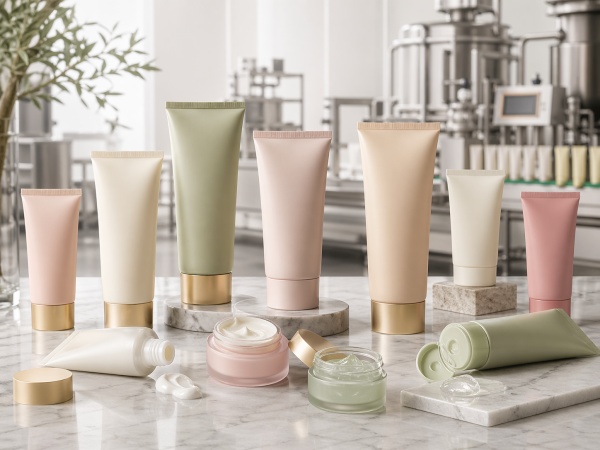
Cream & Gel Tube Filling
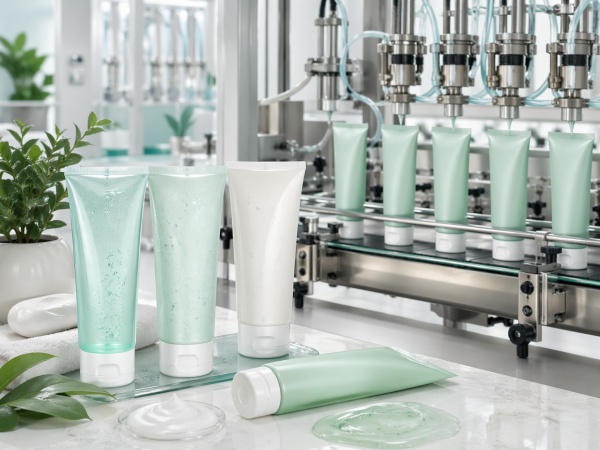
Facial Cleanser Tube Filling
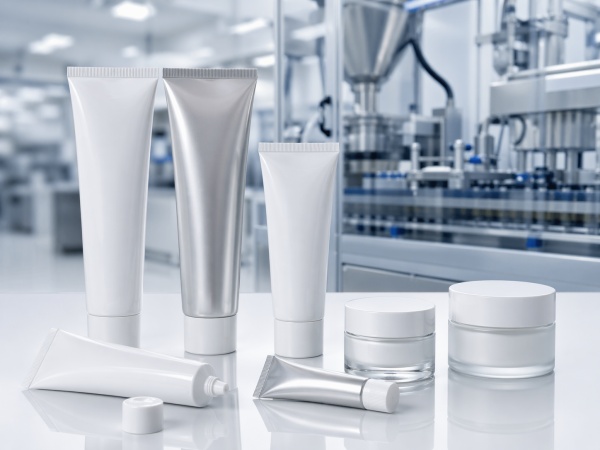
Ointment & Topical Cream Tubes
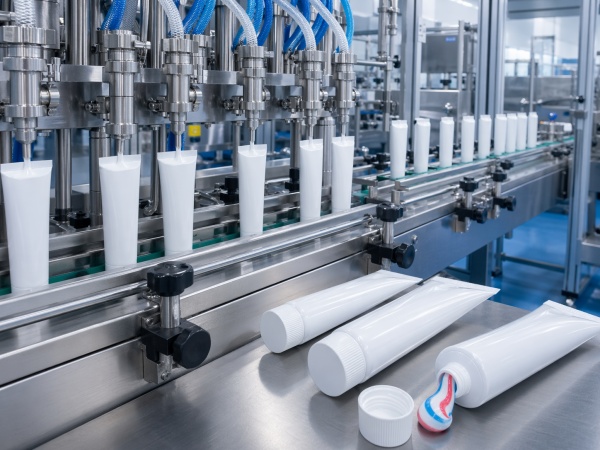
Toothpaste Tube Filling
Main Tube Types
Plastic Tubes
Commonly used for cosmetic cream, cleanser, gel and personal care products. Plastic tubes usually require hot air or ultrasonic sealing.
Laminated Tubes
Commonly used for toothpaste, cream and products requiring better barrier performance. The sealing method should match tube material and tube structure.
Aluminum Tubes
Commonly used for ointment, pharmaceutical paste and selected specialty products. Aluminum tube sealing usually requires folding and crimping rather than hot air sealing.
Main Machine Options
Automatic Tube Filling and Sealing Machine
Suitable for stable commercial production. It can complete tube feeding, orientation, filling, sealing, coding, trimming and discharge automatically.
Ultrasonic Tube Filling Machine
Suitable for plastic or laminated tubes where clean sealing, compact structure and lower heat influence are preferred.
Linear Tube Filling Machine
Suitable for flexible production, easier maintenance and factories that need a more accessible working layout.
High-Speed Tube Filling Machine
Suitable for larger output requirements where higher production speed and continuous operation are important.
Semi-Automatic Tube Filling Machine
Suitable for small batch production, start-up brands, testing or lower investment projects.
How to Choose a Tube Filling and Sealing Machine
1. Confirm Tube Material
Plastic, laminated and aluminum tubes require different sealing structures. This is the most important selection factor.
2. Confirm Tube Diameter and Length
Tube size affects mold design, tube holder, filling nozzle and sealing station.
3. Confirm Filling Volume
Different filling ranges require different pump or piston systems.
4. Confirm Product Viscosity
Cream, gel, ointment and toothpaste need suitable material hoppers, filling pumps and anti-drip nozzles.
5. Confirm Sealing Method
Hot air sealing, ultrasonic sealing and aluminum tube folding are selected according to tube material.
6. Confirm Coding Requirement
Batch number, production date or expiry date can be added depending on packaging requirements.
7. Confirm Output Target
Small batch production may use semi-automatic or linear machines. Larger production may require rotary automatic or high-speed models.
Key Features
Suitable for plastic, laminated and aluminum tubes
Tube feeding, filling, sealing and discharge options
Optional hot air, ultrasonic or folding sealing
Optional date coding and tail trimming
Anti-drip filling nozzle available
Suitable for cream, gel, ointment and toothpaste
Custom tube holder according to tube size
Optional automatic tube orientation
Can connect with cartoning or packing machines
Recommended Related Pages
FAQ
What Is A Tube Filling And Sealing Machine?
A tube filling and sealing machine fills products into soft tubes and completes sealing, coding, trimming and finished tube discharge. It is commonly used for cream, gel, toothpaste, ointment, lotion, paste and cosmetic tube packaging.
What is the difference between a tube filling machine and a bottle filling machine?
A bottle filling machine mainly fills products into bottles or jars. A tube filling machine fills product into tubes and also seals, codes, trims and discharges the finished tubes.
Can one machine handle different tube sizes?
Yes, but tube holders and some adjustment parts may need to be changed. The available range depends on tube diameter, tube length and machine design.
Which sealing method should I choose?
Plastic and laminated tubes can use hot air or ultrasonic sealing. Aluminum tubes usually need folding and crimping. The correct method depends on tube material.
Is this machine suitable for toothpaste?
Yes. Toothpaste usually requires stable paste filling, good tube positioning and strong sealing quality. The machine should be selected according to toothpaste viscosity, tube size and output target.
Can tube filling connect with cartoning?
Yes. Automatic tube filling machines can be connected with cartoning machines or downstream packing systems for higher automation.
Request a Tube Filling And Sealing Machine Configuration
Tell us your tube material, tube diameter, fill volume, product viscosity, and target output. We will recommend the right Tube Filling And Sealing Machine for your production line.


