A mixing tank is often the first key machine in liquid product manufacturing. It can be used for blending raw materials, dissolving powders, heating liquids, cooling formulas, holding finished bulk products, or preparing materials before filling.
HONEMIX mixing tanks are suitable for flowable and semi-viscous products such as shampoo, body wash, liquid soap, detergent, sanitizer, toner, fragrance liquid, and cleaning products. Whether used as a shampoo mixing tank, liquid soap mixing tank, or lotion mixing tank for light to medium-viscosity formulas, the system can be customized according to different production processes. Compared with vacuum emulsifying mixers, this category focuses more on liquid preparation, tank structure, agitator selection, and process flexibility.
What Can a Mixing Tank Do?
Liquid Blending
Mixing tanks help combine water, surfactants, fragrance, color, additives and other ingredients into a uniform liquid product.
Powder Dissolving
For products that contain salt, thickener, active powder or cleaning ingredients, the mixing system can help improve dissolving efficiency.
Heating or Cooling
Jacketed tanks can be designed for steam, electric heating, hot water or cooling water depending on process needs.
Temporary Storage
Some tanks can be used as buffer tanks before filling, helping production lines run more smoothly.
Homogenizing Assistance
For products that need stronger dispersion, a bottom or inline homogenizer can be added to improve material uniformity.
Suitable Products
This category is suitable for:

Lotion and Liquid Soap Mixing
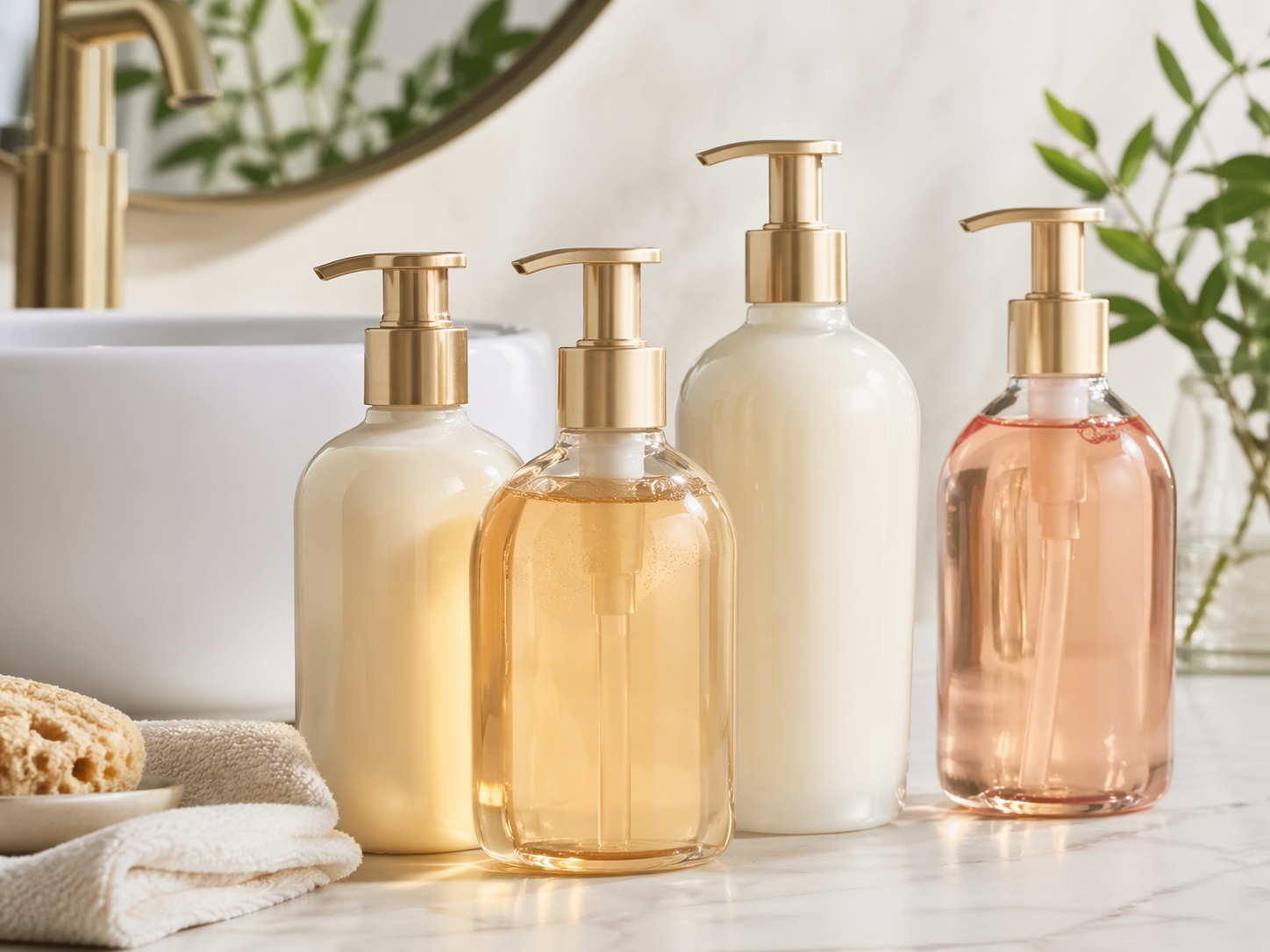
Shampoo and Conditioner Production
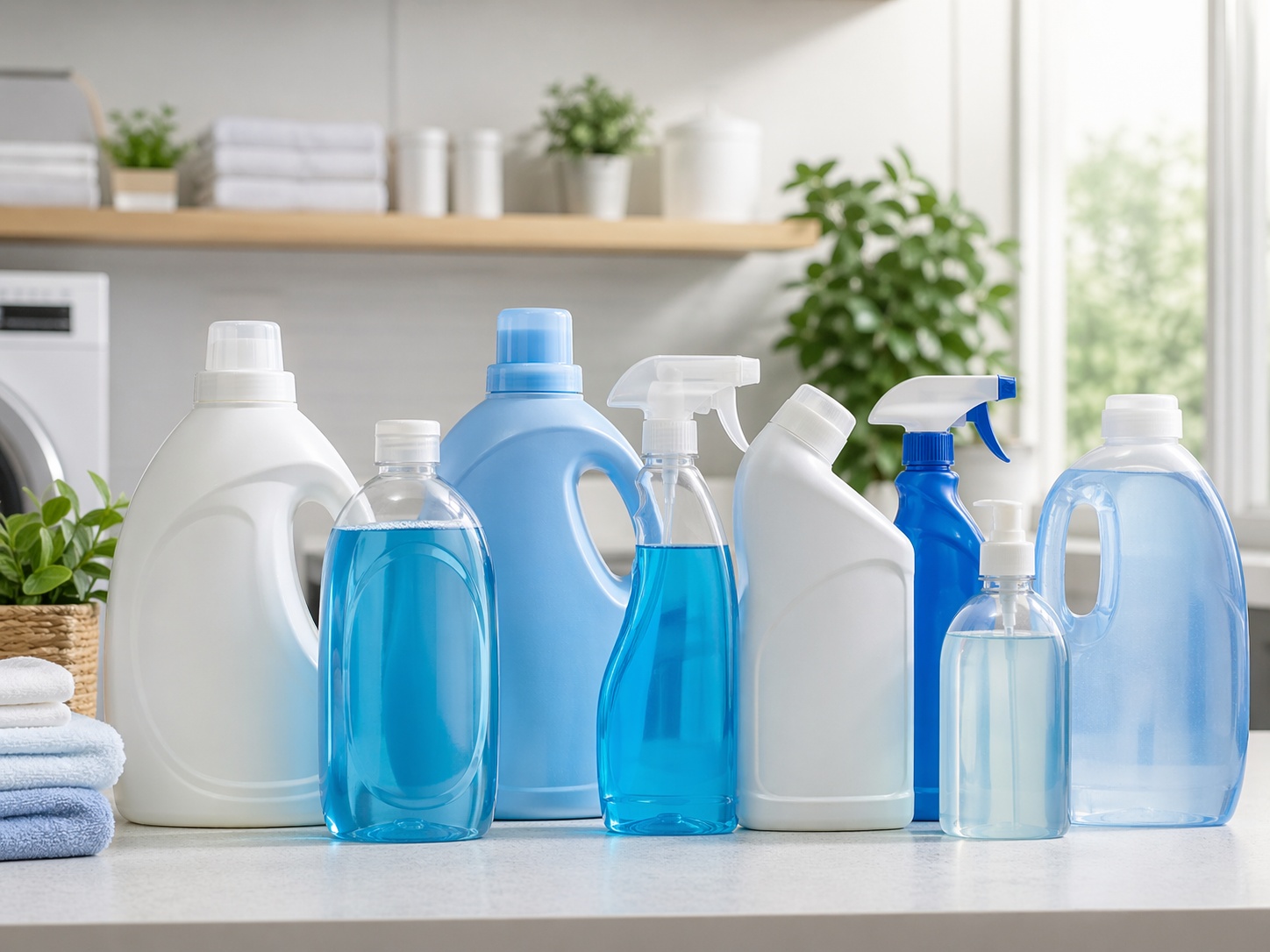
Hand Wash and Sanitizer Blending
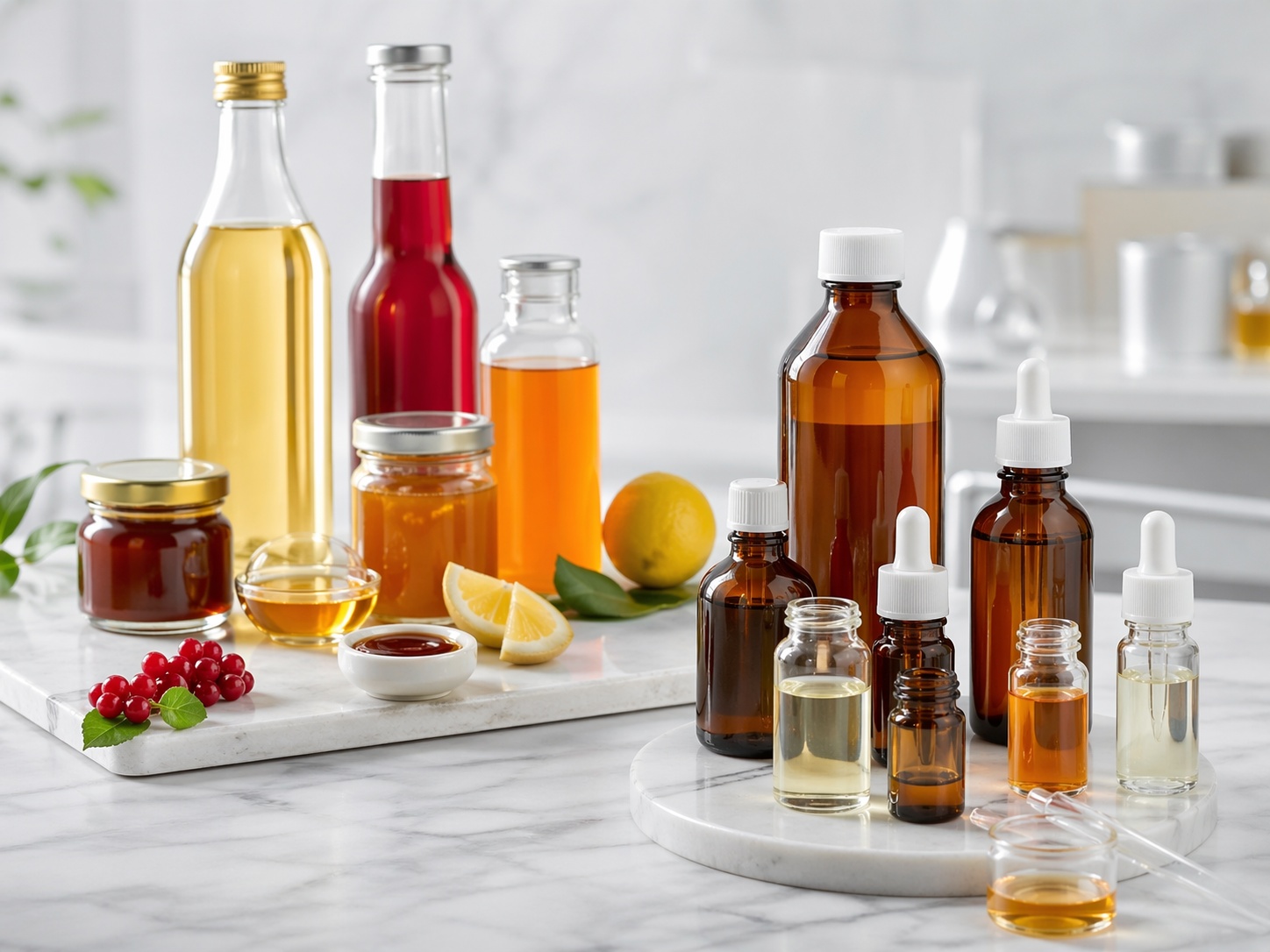
Food and Pharmaceutical Liquid Preparation
Main Mixing Tank Types
Open Mixing Tank
Suitable for simple liquid blending, easy material feeding and small to medium production. It is often used for products that do not require vacuum or sealed processing.
Sealed Mixing Tank
Suitable for products that need better dust control, odor control or more hygienic processing conditions.
Jacketed Mixing Tank
Suitable for products requiring heating, melting, temperature holding or cooling during production.
Mobile Mixing Tank
Suitable for flexible production, pilot batches or factories that need to move material between different work areas.
Homogenizer Mixing Tank
Suitable for liquid products that need stronger dispersion, faster dissolving or improved consistency.
Storage Tank
Suitable for holding raw materials, semi-finished products or finished bulk product before transfer or filling.
How to Choose a Stainless Steel Mixing Tank
1. Product Flowability
Thin liquid, foaming liquid and semi-viscous liquid need different agitator designs. The product behavior should be confirmed before choosing the tank.
2. Tank Volume
Choose tank volume according to working batch size, not only maximum capacity. Enough headspace may be needed for foaming or powder feeding.
3. Agitator Type
Different materials may need paddle mixing, frame mixing, dispersing, bottom homogenizing or combined agitation.
4. Heating or Cooling
If raw materials need melting or temperature control, choose jacketed design and confirm heating medium.
5. Open or Closed Structure
Open tanks are easier for feeding and cleaning. Sealed tanks are better for hygiene, dust control or odor-sensitive products.
6. Cleaning Method
For frequent product changeover, polished surfaces, spray balls, sanitary valves and easy-disassembly structures can reduce cleaning time.
Key Features
SUS304 or SUS316L contact parts available
Single-layer, jacketed or insulated tank structure
Custom agitator design according to product behavior
Optional heating, cooling or temperature control
Optional homogenizer for stronger dispersion
Optional load cell, platform or transfer pump
Optional sealed cover, manhole or CIP cleaning interface
Suitable for standalone use or connection with filling lines
Recommended Related Pages
FAQ
What is the difference between a mixing tank and an emulsifying mixer?
A mixing tank is mainly used for blending, dissolving, heating, cooling or storing liquid products. An emulsifying mixer is used when the formula needs vacuum processing and high-shear emulsification, especially for cream, gel or paste.
Can a mixing tank be used for shampoo production?
Yes. Shampoo production usually requires liquid blending, thickener dissolving, fragrance addition and viscosity adjustment. A suitable agitator and tank structure should be selected according to formula viscosity and foaming behavior.
Can the tank be heated?
Yes. A jacketed mixing tank can be designed for electric heating, steam heating, hot water circulation or cooling water depending on the process.
Which material is better, SUS304 or SUS316L?
SUS304 is suitable for many standard liquid products. SUS316L is often preferred for more demanding hygiene, corrosion resistance or pharmaceutical-related applications.
Can a mixing tank connect with a filling machine?
Yes. A mixing tank can discharge material to a filling machine through a transfer pump, pipeline, buffer tank or direct connection depending on factory layout.
Request a Mixing Tank Configuration
Send us your product type, viscosity, batch capacity, heating or cooling requirement, and material preference. We will recommend the right Stainless Steel Mixing Tank configuration for your factory.


