

Ointment, Gel And Oral Liquid Manufacturing Equipment Solution | HONEMIX
What Equipment Is Needed For Ointment, Gel And Oral Liquid Production?
Pharmaceutical production requires vacuum emulsification, deaeration, clean mixing, filtration and accurate filling. If the process is not controlled, finished products may show air bubbles, lumps, poor clarity, filling inaccuracy or sealing issues.
HONEMIX provides customized ointment, gel and oral liquid manufacturing equipment solutions for global manufacturers. From mixing and preparation to storage, filling, sealing, labeling and complete production line planning, we help customers choose suitable equipment according to formula behavior, viscosity, packaging type and output target.
Pharmaceutical Manufacturing Equipment At A Glance
For ointment, gel and oral liquid products, equipment should be selected according to formula behavior, viscosity, process requirements, filling volume, packaging format and production capacity.
| Product Type | Recommended Process & Equipment |
| Ointment | Vacuum Emulsifying Mixer + Storage Tank + Tube Filling Machine |
| Gel | Vacuum Mixing + Deaeration + Piston Or Tube Filling |
| Oral Liquid | Mixing Tank + Filtration + Bottle Filling / Capping Line |
| Topical Products | Sanitary Mixing + Controlled Filling And Sealing |
What Is Pharmaceutical Manufacturing?
Pharmaceutical manufacturing is the process of preparing raw materials, mixing or processing the formula, controlling texture or clarity, storing the bulk product and filling it into the final packaging. The equipment configuration depends on viscosity, process requirements, hygiene standard and packaging format.
What Products Does This Solution Cover?
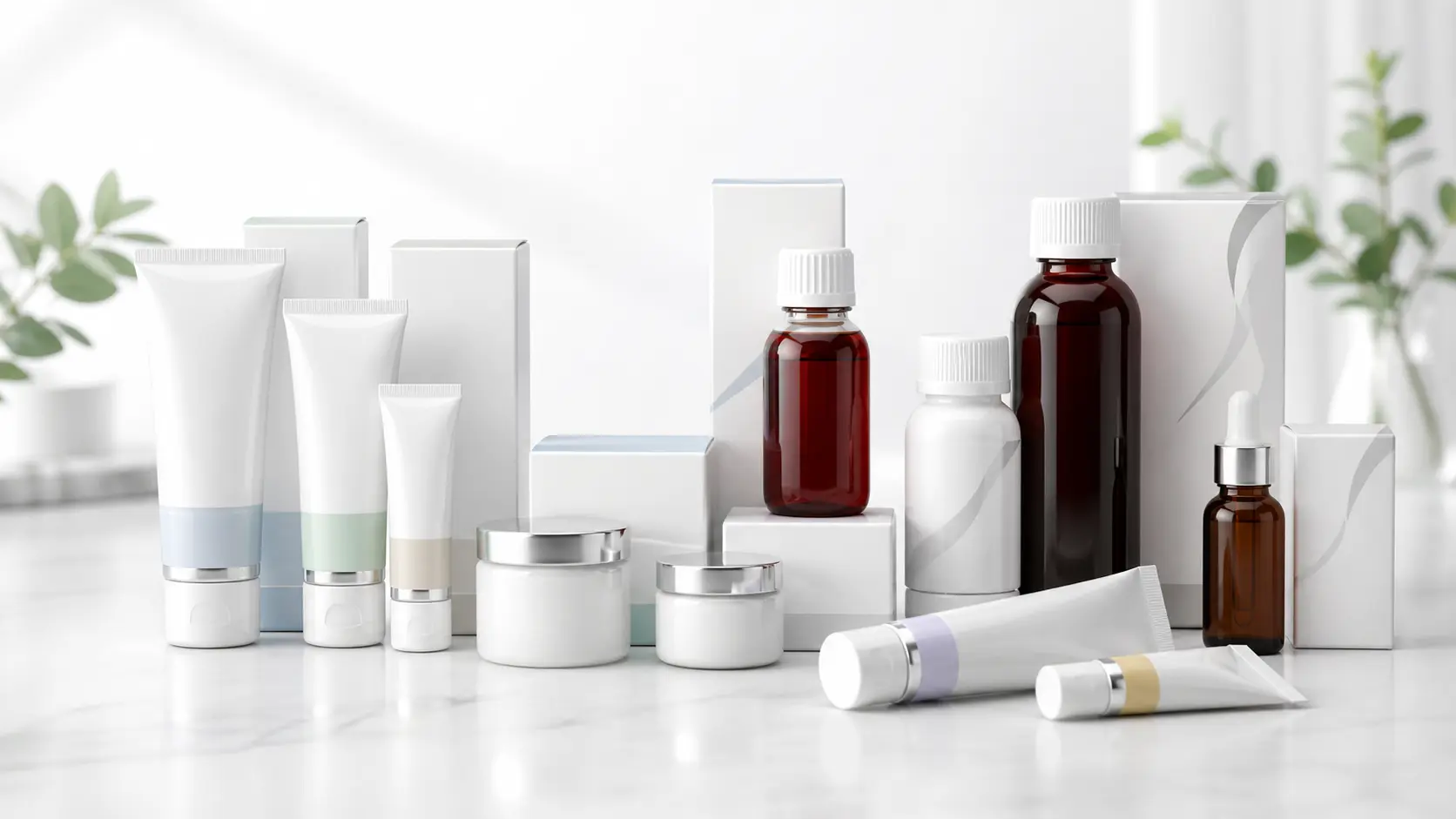
Ointments, topical gels, pharmaceutical gels, oral liquids, syrups, external-use creams, medicinal tubes, health care liquids and other pharmaceutical or health product formulations.
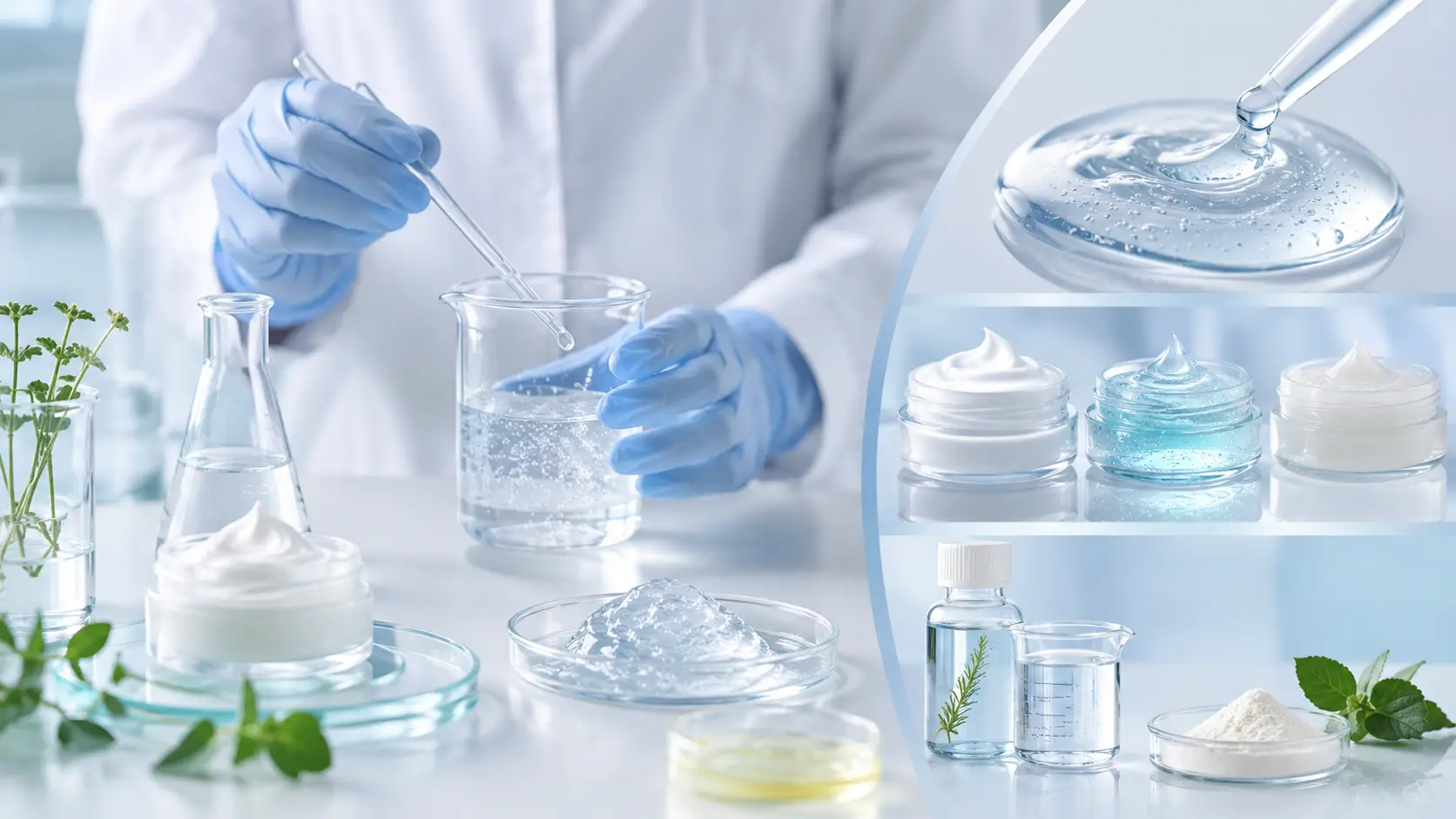
Pharmaceutical Manufacturing Process Overview
1. Dosage form and compliance confirmation
Confirm whether the product is ointment, gel, cream, oral liquid or topical liquid, then check viscosity, active ingredients, hygiene level, filling accuracy and documentation needs.
2. Raw material weighing and preparation
Weigh liquids, powders, actives, excipients and solvents according to the formula and required production procedure.
3. Mixing, dissolving or dispersion
Dissolve soluble ingredients for oral liquids, or disperse powders and thickeners for gels and ointments under controlled conditions.
4. Emulsifying/homogenizing when required
Ointments, creams or gels may require homogenizing to improve uniformity, texture and batch repeatability.
5. Vacuum deaeration and temperature control
Remove air from viscous products and control temperature to protect active ingredients and product stability.
6. Filtration or clarification for oral liquids
Oral liquid products may require filtration before storage and filling.
7. Sanitary storage and transfer
Transfer the product through suitable sanitary pumps and tanks while reducing contamination and cross-contamination risk.
8. Filling, sealing/capping, coding and packaging
Fill tubes, bottles or containers accurately, then seal or cap, code and complete final packaging.
Pharmaceutical Process And Equipment Comparison
| Pharmaceutical / Topical Product Type | Formula Characteristics | Key Production Process | Recommended Equipment |
| Ointment / Cream | High-Viscosity Semi-Solid | Heating, Mixing, Homogenizing, Vacuum Deaeration, Tube / Jar Filling | Vacuum Emulsifying Mixer + Piston / Tube Filling |
| Gel | Thickened Transparent Or Semi-Transparent System | Thickener Dispersion, Hydration, Deaeration, Filling | Vacuum Mixing Tank + Piston / Tube Filling |
| Oral Liquid | Low-Viscosity Liquid | Dissolving, Mixing, Filtration, Bottle Filling / Capping | Stainless Steel Mixing Tank + Filtration + Filling / Capping Line |
| Topical Liquid | Liquid Or Low-Viscosity Formulation | Mixing, Optional Filtration, Bottle Filling | Mixing Tank + Gear Pump Filling Line |
Pharmaceutical Common Problems And Equipment Solutions
| Production Challenge | Possible Cause | Recommended Solution |
| Poor Active Ingredient Uniformity | Mixing Or Homogenizing Is Insufficient | Use Controlled Mixing, Homogenizing And Validated Process Parameters. |
| Lumps In Gel Or Ointment | Powders / Thickeners Are Not Dispersed Correctly | Improve Feeding Sequence, Hydration Time And Shear Level. |
| Air Bubbles In Semi-Solid Products | Air Enters During Mixing Or Transfer | Use Vacuum Mixing, Deaeration And Suitable Transfer Pump. |
| Viscosity Change Between Batches | Temperature, Mixing Time Or Hydration Is Inconsistent | Standardize Process Parameters And Batch Records. |
| Incomplete Dissolution Or Sediment In Oral Liquid | Dissolving Or Filtration Is Insufficient | Improve Dissolving Time, Filtration And Storage Conditions. |
| Filling Accuracy Problems | Filling System Does Not Match Viscosity Or Dose Requirement | Select Piston Filling For Viscous Products And Pump Filling For Liquids. |
| Tube Or Bottle Leakage | Sealing / Capping System Is Not Matched | Confirm Tube Material, Bottle Neck, Cap And Sealing Method. |
| Cleaning Validation Concern | Equipment Has Dead Corners Or Difficult-Clean Areas | Use Sanitary Design And Cleanable Contact Parts. |
Recommended Machines For Pharmaceutical Production


Complete Production Line Configuration
Typical line:
Raw material weighing → sanitary mixing tank or vacuum emulsifying mixer → homogenizing/deaeration or filtration depending on dosage form → sanitary storage tank → piston/tube/bottle filling system → sealing or capping → coding → final packaging and documentation.
How To Choose Pharmaceutical Manufacturing Equipment
1. Confirm the pharmaceutical or healthcare product type.
Ointment, topical gel, oral liquid and semi-solid products need different mixing, homogenizing, vacuum, filling and hygiene configurations.
2. Evaluate viscosity and dosage form.
Ointments and gels usually need vacuum mixing, scraper agitation, homogenizing and piston or tube filling, while oral liquids require sanitary liquid mixing, filtration and accurate bottle filling.
3. Check powder dispersion, hydration and active ingredient sensitivity.
Gels may require proper thickener hydration; ointments may require oil phase mixing; oral liquids may require filtration and controlled addition of active ingredients.
4. Determine heating, cooling and vacuum needs.
Semi-solid products often need jacketed heating, controlled cooling and vacuum deaeration to improve texture and remove trapped air.
5. Match filling equipment with packaging format.
Tubes, jars, bottles and small vials require different filling, capping, sealing, coding and inspection methods.
6. Focus on hygiene, cleanability and material contact requirements.
Equipment should use suitable stainless steel contact parts, sanitary design, easy-clean structures and controlled transfer paths.
7. Plan batch consistency and documentation needs.
For pharmaceutical-style production, repeatable parameters, stable filling accuracy and clear process records are often important for buyer evaluation.
8. Select automation according to production scale.
Pilot production may use small mixers and semi-automatic filling, while larger factories may need complete mixing, storage, filling, sealing, labeling and packaging lines.
Buyer Information Checklist
To recommend a suitable pharmaceutical manufacturing solution, HONEMIX usually needs the following information:
Product type: ointment, cream, topical gel, oral liquid, syrup or semi-solid product.
Formula viscosity, active ingredient sensitivity and whether powders/thickeners need dispersion or hydration.
Batch capacity, process time and target output.
Heating, cooling, vacuum deaeration and homogenizing requirements.
Packaging format: tube, jar, bottle, vial or other container.
Filling volume, accuracy requirement, cap/seal type and packaging sample.
Filtration requirement for oral liquids and particle control requirement.
Material contact standard, hygiene requirement, cleaning method and documentation needs.
Transfer method, storage tank requirement and line layout.
Automation level: lab/pilot, semi-automatic production or complete automatic line.
Why Choose HONEMIX For Pharmaceutical Manufacturing Equipment?
HONEMIX is a cosmetic, food and pharmaceutical machinery manufacturer providing customized mixing, emulsifying, filling and complete production line solutions.
With nearly 20 years of industry experience, HONEMIX helps global manufacturers select suitable equipment for skincare, personal care, home care, food and pharmaceutical production. Our solutions are designed around real production needs, including product viscosity, formula characteristics, packaging format, output target and factory layout.
Customized Equipment Solutions
Every skincare formula is different. HONEMIX can recommend machine configuration according to product type, viscosity, batch size and packaging format.
Complete Production Line Support
We can provide single machines or complete production line solutions, including mixers, emulsifying systems, filling machines, capping machines, labeling machines and packaging equipment.
Practical Engineering Experience
HONEMIX focuses on practical production problems such as emulsification stability, bubble control, filling accuracy, cleaning convenience and line integration.
Factory Testing And Service Support
Before delivery, equipment can be tested and checked according to customer requirements. HONEMIX also provides technical communication, online support and after-sales service for global customers.
Pharmaceutical Manufacturing Equipment FAQ
1. What equipment is used for ointment and gel manufacturing?
Ointment and gel manufacturing commonly uses vacuum emulsifying mixers or vacuum mixing tanks with scraper agitation, homogenizing, heating/cooling and vacuum deaeration, followed by tube, jar or bottle filling equipment.
2. What equipment is suitable for oral liquid production?
Oral liquid production usually requires sanitary mixing tanks, filtration systems, storage tanks, accurate bottle filling, capping, labeling and final packaging equipment.
3. How do I choose between a vacuum emulsifying mixer and a mixing tank?
Choose a vacuum emulsifying mixer for viscous semi-solid products requiring homogenizing, vacuum deaeration and stable texture. Choose a sanitary mixing tank for lower-viscosity oral liquids or simple liquid blending.
4. What causes bubbles or unstable texture in ointment and gel products?
Air can enter during mixing, powder hydration, transfer or filling. Vacuum processing, controlled mixing speed, proper powder feeding and suitable transfer can improve texture and reduce bubbles.
5. What information is needed for pharmaceutical-style equipment selection?
Provide product type, viscosity, active ingredients, batch size, heating/vacuum needs, packaging sample, filling volume, target output, hygiene standard and automation requirement.
Need A Production Solution For Ointment, Gel Or Oral Liquid?
Tell HONEMIX your product type, viscosity, batch size, filling volume and packaging format. We will help you match a practical equipment solution for mixing, filling and final packaging.
Contact Honemix for a complete equipment solution.