Perfume is usually a low-viscosity, volatile liquid packaged in transparent glass. This combination creates a distinctive filling challenge. Consumers expect bottles on the shelf to show a uniform liquid level, yet decorative glass containers often have small differences in wall thickness and internal volume. A purely volumetric dose can be accurate by quantity while still producing visibly uneven levels. Vacuum filling is widely used because it controls the final level relative to the bottle neck rather than relying only on the nominal bottle volume.
The method is especially suitable for alcohol-based fragrances, colognes and similar free-flowing products. It can produce clean, repeatable fills when the bottle neck, vacuum setting and filling nozzle are correctly matched. Understanding the operating principle also helps manufacturers recognize when vacuum filling is appropriate and when another dosing method may be preferable.
The Packaging Problem Vacuum Filling Solves
Perfume bottles are often selected for appearance before they are evaluated as production containers. Thick glass bases, curved walls, shoulders and decorative shapes can create variation between bottles. Even within one mould, the internal cavity may not be identical from unit to unit. If every bottle receives exactly the same volume, the visible liquid line can move up or down because the available internal space differs.
Equal Volume Does Not Always Mean Equal Level
Volumetric filling controls the quantity delivered. Vacuum level filling controls where the liquid surface stops. For many opaque products, a small level difference is not important. In clear perfume glass, however, the line is part of the package appearance. Retail buyers and consumers may interpret uneven levels as underfilling or poor quality even when the actual volume remains within specification.
Vacuum filling is therefore attractive when visual uniformity is a primary quality requirement. The machine establishes a reference height using the nozzle and return path, allowing excess product above that level to be drawn away.
How the Vacuum Filling Principle Works
A vacuum filling nozzle seals against or closely controls the bottle neck. When the filling cycle starts, negative pressure removes air from the container and draws perfume into the bottle. As the liquid reaches the return opening or level-control point in the nozzle, the machine begins to recover the excess. The liquid settles at a repeatable height defined by the nozzle geometry and insertion depth.
The process is sometimes described as filling to level or overflow filling. The term “overflow” does not mean that perfume spills onto the bottle. It means that liquid reaching the reference point is directed through a return circuit rather than remaining above the target level. In a properly designed system, recovered perfume returns to a controlled reservoir or supply path.
Vacuum strength must be balanced. Too little vacuum can make the fill slow or unstable. Excessive vacuum can increase foaming, pull liquid too aggressively, stress thin containers or contribute to evaporation. The correct setting depends on bottle neck sealing, product volatility, hose length and the number of filling heads.
Why Perfume Is Well Suited to Vacuum Filling
Most perfumes flow easily and can be drawn into the bottle under modest negative pressure. They do not normally contain large particles or high levels of suspended solids that would block the return path. Their low viscosity also allows excess liquid to be recovered quickly when the target level is reached.
Visual presentation is another strong reason. Perfume bottles are frequently transparent, sold in gift packaging and displayed under bright retail lighting. A consistent fill line supports a premium appearance. Vacuum filling can compensate for reasonable bottle-volume variation without requiring the machine to calculate a different dose for every container.
The method can also reduce uncontrolled product contact with the bottle exterior when the nozzle seal and return system are correctly adjusted. This is important because alcohol-based fragrance can leave marks, affect labels or create odour in the work area if spills are frequent.
Product Recovery and Fragrance Loss
Perfume ingredients can be valuable, so recovery of excess liquid deserves careful design. The return circuit should be closed, cleanable and compatible with the formula. Recovered product should not be exposed unnecessarily to air, dust or incompatible materials. The factory must decide whether returned perfume can remain in the same batch according to its quality procedure.
Volatility is a concern throughout the process. Open tanks, leaking fittings and excessive vacuum can increase alcohol and fragrance loss. Equipment should minimize open exposure and use seals suited to the liquid. Production rooms also need appropriate ventilation and safety controls for flammable vapours.
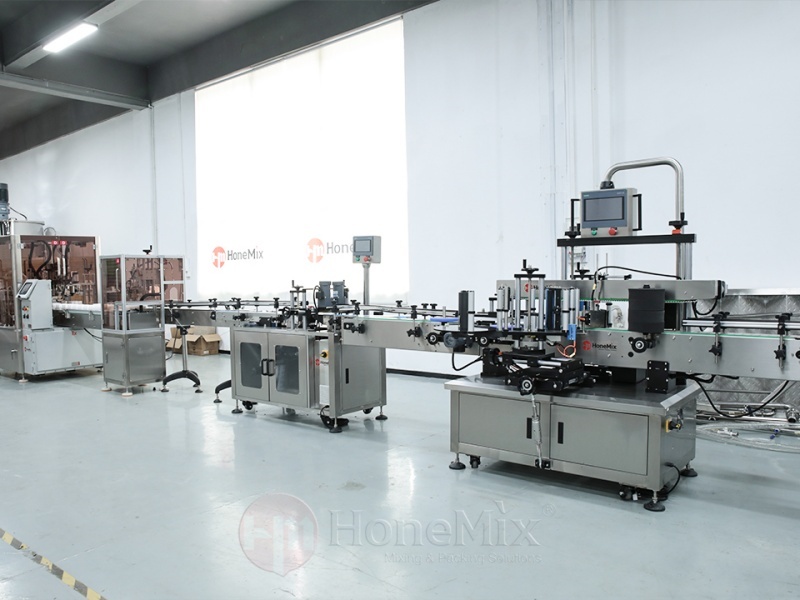
A modern perfume filling machine solution may combine vacuum level control with bottle handling, pump placement, crimping and finishing operations. Integrating the stations reduces transfers between machines, but the recovered-product path and filling zone must still be accessible for inspection and cleaning.
Vacuum Filling Compared with Volumetric Dosing
Vacuum and volumetric filling solve different problems. A piston, pump or flow-meter system aims to deliver a defined amount. A vacuum level filler aims to create a consistent visible level. Neither method is automatically superior in every situation.
If legal or commercial requirements demand a very tight net-volume control, the manufacturer may use volumetric dosing, gravimetric verification or a hybrid approach. If bottle internal volume varies but shelf appearance is critical, vacuum filling may provide the better visual result. Some systems combine an initial controlled dose with final level correction.
Package development should determine which characteristic has priority and how it will be verified. A bottle can have a uniform level while its actual volume varies if the container capacity varies substantially. For this reason, fill-level inspection should be supported by periodic net-content checks.
When Vacuum Filling May Not Be the Best Choice
Vacuum filling is less suitable when the product is highly viscous, contains particles, foams excessively under negative pressure or reacts strongly to air exposure. It may also be difficult with flexible containers that collapse under vacuum or with bottle necks that cannot form a stable seal.
Very small sample vials or unusual closures may require a different dosing approach. A bottle with an extremely narrow or irregular opening can restrict the return path. Products that must be filled by exact weight rather than visible level may need a metered system and independent checkweighing.
The decision should be based on product and package trials. A machine catalogue may list a broad bottle range, but the actual neck finish, shoulder geometry and glass variation determine stable operation.
Machine Features That Influence the Result
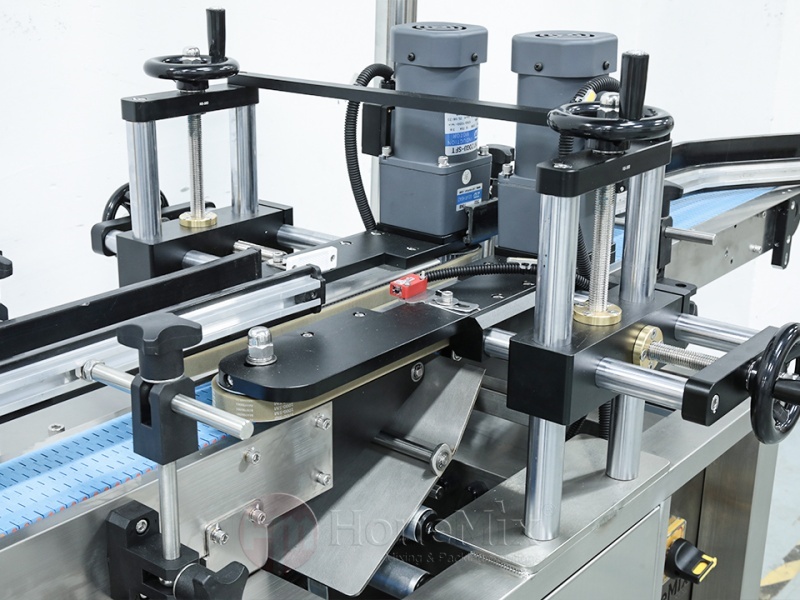
Nozzle design is central to level accuracy. The position of the return opening defines the fill height, while the seal controls whether the vacuum remains stable. Changeable nozzles or adjustable insertion depth are useful when multiple bottle sizes are produced. Adjustments should be repeatable and protected from accidental movement.
The vacuum source should provide consistent pressure across all heads. If one hose is longer, restricted or leaking, that station may fill differently. A collection tank or recovery vessel needs level monitoring to prevent overflow. Transparent sections or inspection points can help operators confirm that the return flow is normal.
Control systems should allow independent timing for bottle sealing, vacuum application, filling, recovery and nozzle release. Releasing the bottle too early can disturb the final level or leave a drop at the neck. Smooth nozzle lifting and drip control help protect the bottle exterior.
Setting Up a Vacuum Perfume Filler
Setup begins with clean bottles and representative packaging samples. The nozzle is positioned to establish the required liquid level, and the bottle guide is adjusted so the neck aligns consistently. Operators then set a conservative vacuum and filling time, prime the product path and run a small sample group.
Inspect the bottles immediately after filling and again after they have rested. The level may stabilize as liquid drains from the neck and bubbles escape. Check more than one carton of bottles because mould and glass variation can affect the result. If the level is inconsistent, investigate neck sealing, nozzle depth, vacuum stability and return-line restrictions before changing multiple parameters.
Once the target is achieved, record the recipe and mechanical positions. A reference bottle or level gauge can help during future changeovers. Stored settings should still be verified with first-piece inspection because bottles and bulk conditions can vary between production lots.
Quality Checks During Production
Routine checks should cover liquid level, bottle cleanliness, net content, leakage and closure assembly. Level should be judged at a defined time after filling and with the bottle on a level surface. Reference marks or an approved visual sample improve consistency between inspectors.
Net content remains important even when the process is controlled by level. Periodic weight checks help detect changes in bottle capacity or vacuum setup. Inspect the recovered product for contamination and monitor whether the return vessel is operating within its intended range.
If the line includes pump insertion and crimping, confirm that the liquid level leaves enough headspace for the dip tube and pump assembly. Product forced into the neck during insertion can create leakage or odour outside the package.
Use Vacuum Filling as Part of a Controlled Perfume Process
Vacuum filling is common in perfume packaging because it addresses the visible level variation created by decorative glass bottles. It draws low-viscosity fragrance into the container, establishes a level reference and recovers excess liquid through a return path. The method works best when bottle necks seal consistently, vacuum is stable and recovered product is managed carefully.
For fragrance manufacturers planning a new line or improving fill-level consistency, HONEMIX can connect perfume preparation, cooling and filtration with filling, pump placement and crimping equipment. Trials using the final fragrance and production bottles are the appropriate basis for confirming level accuracy, recovery behaviour and overall line performance.