Buying a face cream tube line is a long-term production decision. The machine must handle the current formula and package, but it should also support future tube sizes, new cream textures, market-specific artwork, and higher output. A low purchase price can become expensive if the line wastes product, requires constant adjustment, cannot be cleaned efficiently, or needs major modification for every new SKU.
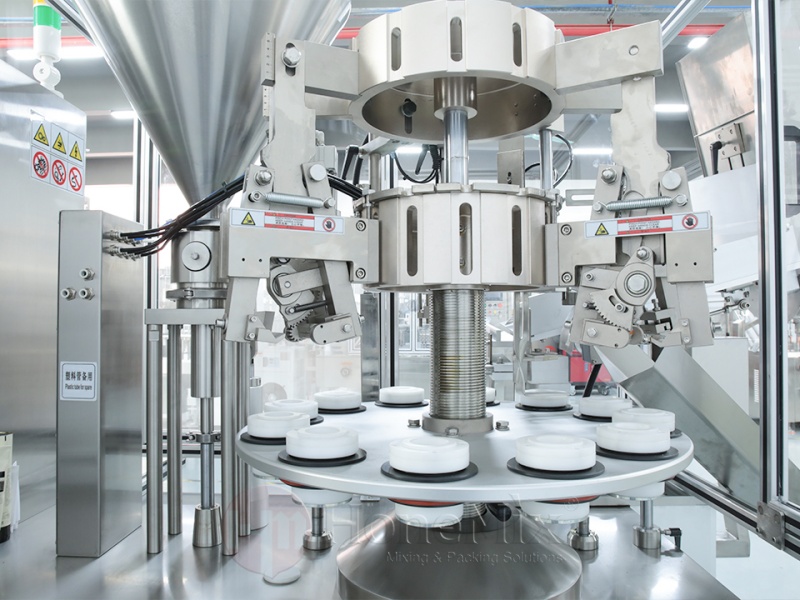
Skincare brands should therefore begin with a detailed packaging brief rather than a machine catalog. A tube filler is not only a dosing device. It must load and orient the tube, place a viscous cream accurately, keep the tail clean, create a strong seal, apply coding, trim the package, and discharge it without cosmetic damage. This makes it a more complex system than a standard bottle Filling Machine.
Start With the Product and Packaging Brief
The most effective purchasing projects define the real operating range before suppliers propose a model. The brief should list every current and planned face cream formula, the expected viscosity range, filling temperature, density, dose, tube material, diameter, length, cap style, eye-mark position, coding method, production target, and cleaning requirement.
Describe More Than the Product Name
“Face cream” is not a sufficient technical description. A light gel cream, a rich barrier cream, a tinted moisturizer, and a high-solids mineral cream may require different product paths and nozzle settings. The supplier needs representative samples or reliable rheology information. It is also helpful to explain whether the cream contains particles, waxes, volatile ingredients, high fragrance levels, or color that makes cleaning verification more demanding.
Approve the Tube as Part of the Machine System
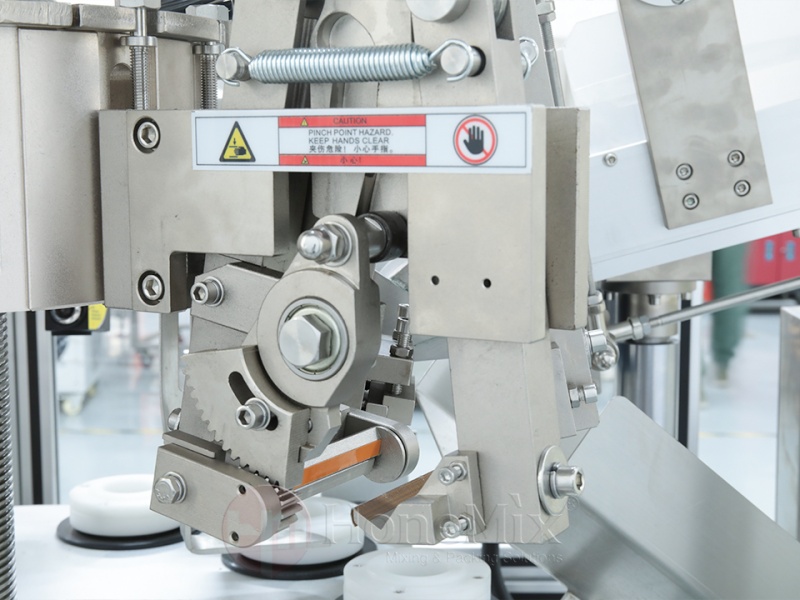
Tube material determines sealing technology. Plastic and laminated tubes commonly use hot-air or ultrasonic sealing, while aluminum tubes use folding and crimping. Diameter and length determine holders, nozzle position, sealing height, and guarding. Print eye marks determine orientation control.
Brands should send actual production tubes, not only drawings. Wall thickness, shoulder shape, tail cut, print variation, and cap fit can influence machine performance. If several suppliers will provide tubes, samples from each source should be tested.
Check Whether the Filling Technology Fits the Cream
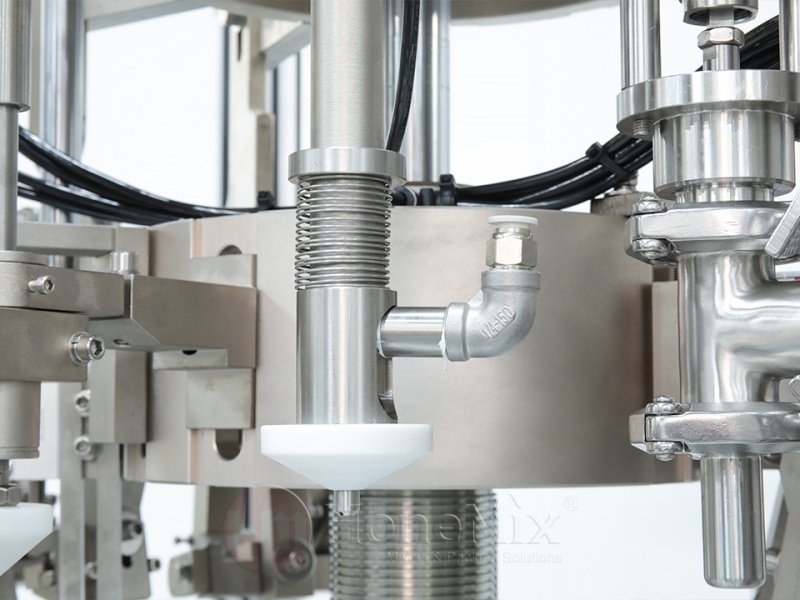
Face creams are commonly filled with piston-based systems because these can handle viscous and semi-viscous products across a useful volume range. However, the piston size, valve design, nozzle, feed method, and control profile must be selected for the actual formula.
Confirm Complete Metering-Chamber Refill
A machine can appear accurate at low speed but begin underfilling when the cycle is increased because the viscous cream does not refill the cylinder completely. The supplier should demonstrate the target speed using the real product or a close technical equivalent. Startup, steady running, short stops, and restart should all be tested.
Evaluate Nozzle Cutoff and Filling Motion
The nozzle should reduce air entrapment, avoid contacting the tube, and leave the tail area clean. Bottom-up filling with controlled withdrawal is commonly useful for thick creams. Shutoff or suck-back features can reduce stringing, but they must be adjusted carefully to avoid pulling air into the next dose.
During a trial, inspect the nozzle after many cycles. Some creams gradually build up around the outlet even though the first few tubes look acceptable. Ask how quickly the nozzle can be removed and cleaned and whether different formulas require different nozzle sizes.
Compare Tube Handling and Orientation Features
Accurate dosing is wasted if tubes are loaded inconsistently or artwork is not aligned. Automatic tube feeding should deliver containers without scratching or deforming them. Holders must support the tube securely while allowing practical changeover.
Review Eye-Mark Detection Under Real Print Conditions
Printed tubes may have glossy surfaces, metallic decoration, low-contrast marks, or artwork close to the sensor area. The orientation system should be tested with each design. Ask how the sensor is adjusted and how the machine responds when it cannot detect the mark.
Different tube diameters usually require different holders, and changes in length may require nozzle and sealing adjustments. Buyers should request a complete list of change parts and their cost. A machine advertised for a wide size range may still need substantial tooling for each format.
Assess the Sealing Process as Carefully as Filling Accuracy
The tube tail is a visible part of the package and a primary barrier. It must be straight, clean, strong, and compatible with coding or embossing. Sealing quality depends on tube material, energy, pressure, dwell time, cooling, tooling alignment, and cleanliness of the inner surfaces.
Choose Hot-Air or Ultrasonic Sealing for the Right Reason
Hot-air systems heat the tube’s inner layer before pressing and cooling the tail. They can produce strong, attractive seals when the material and settings are suitable. Ultrasonic systems generate localized energy and may be useful for compact layouts or certain plastic and laminated structures. The brand should compare actual seal results, maintenance needs, utilities, tooling, and material compatibility instead of selecting by technology name alone.
Demand Seal Testing, Not Only Visual Samples
A neat tail can hide an incomplete bond. The acceptance test should include leakage or seal-strength checks appropriate to the pack. The trial should also examine trimming, date coding, deformation, discoloration, and artwork position. Samples should be retained for transport and storage evaluation where practical.
Look Beyond Rated Speed
Catalog speed is usually based on a defined product, tube, and operating condition. Actual output depends on viscosity, fill volume, tube feeding, orientation, sealing time, coding, operator skill, and rejection. A machine that produces fewer cycles but runs steadily may deliver more accepted tubes per shift.
Calculate Good Packs Per Hour
Ask the supplier to state the expected speed for the actual cream and tube. During testing, record stops, rejects, nozzle cleaning, refilling, and changeover. Effective capacity should be based on conforming finished packs, not empty-machine movement.
Match Automation to the Business Model
A startup or contract laboratory with frequent small batches may benefit from semi-automatic flexibility. A growing brand with stable high-volume SKUs may need automatic tube feeding, filling, sealing, coding, trimming, and discharge. The correct level depends on labor availability, batch size, changeover frequency, quality goals, and expansion plans.
Examine Hygiene, Cleaning and Maintenance Access
Face cream residues can dry, discolor, or retain fragrance. Product-contact components should use compatible materials and be accessible for cleaning. The design should minimize dead spaces and difficult joints. Removable parts must be reassembled consistently.
Ask for a Real Cleaning Demonstration
A supplier should explain how the hopper, cylinder, valves, hoses, and nozzle are emptied, disassembled, washed, inspected, dried, and reinstalled. Buyers should estimate the time, labor, water, and cleaning agents required. If the brand changes between white, tinted, fragranced, and sensitive-skin creams, cleaning verification becomes especially important.
Review Preventive Maintenance Requirements
Request a list of routine checks and recommended spare parts. Wear items may include piston seals, valve gaskets, hoses, nozzle components, heaters, ultrasonic tooling, cutters, sensors, and tube holders. The buyer should know which parts are standard, which are custom, and how quickly replacements can be supplied.
Use Factory Acceptance Testing to Reduce Purchase Risk
Factory acceptance testing should be planned before the order is completed. The protocol should cover safety, utilities, mechanical functions, controls, alarms, recipe management, tube loading, orientation, filling accuracy, nozzle cleanliness, sealing, coding, trimming, speed, changeover, and cleaning access.
The test quantity should be enough for setup and sustained operation. A few kilograms may not reveal hopper-level changes, heat buildup, or long-run nozzle residue. Tubes should include normal production variation and each important material type.
Agree on Measurable Acceptance Criteria
Statements such as “runs well” are difficult to verify. The protocol should define target fill range, acceptable variation, output, reject level, seal integrity, appearance, code quality, and changeover expectations. Deviations should be recorded with corrective actions before shipment.
Calculate Total Ownership Cost and Supplier Support
The machine price is only one cost. Buyers should consider format parts, utilities, installation, commissioning, training, validation support, cleaning time, spare parts, maintenance labor, product loss, and future modifications. Energy and compressed-air requirements may differ between sealing systems.
Use a Structured Buying Decision
A practical comparison gives weight to product compatibility, tube range, filling accuracy, clean cutoff, seal strength, effective output, cleaning, changeover, maintenance, controls, documentation, and service. Price remains important, but it should be compared only after the technical requirement has been met.
When a brand needs automatic tube feeding, orientation, precision dosing, sealing, coding, trimming, and discharge, the proposed Face Cream Tube Filling Machine should be tested with real cream and packaging. This confirms the practical speed, nozzle performance, seal appearance, and changeover needs before the equipment enters production.
Choosing a Line That Can Grow With the Brand
The best purchase is not necessarily the machine with the longest feature list. It is the system that handles the formula reliably, protects packaging quality, fits the factory, can be cleaned and maintained, and supports realistic future products. A detailed brief and product trial turn the buying process from guesswork into an engineering decision.
HONEMIX provides vacuum emulsifying, mixing, storage, transfer, filling, tube filling, sealing, and packaging equipment for face cream and other skincare products. Brands can share formula characteristics, tube samples, filling volume, output, factory layout, quality expectations, and expansion plans to receive a configuration recommendation based on the complete production process.